Foreigners ownership options for Real Estate on Koh Samui

Buy Real Estate Koh Samui - Koh Samui is an exotic, picturesque island located in Thailand. For a long period of time, the island has been an exciting location for tourists and foreigners seeking fun and something new. This serene island boasts of tropical and exciting locations, scenery and an abundance of awe-inspiring real estate properties. These features which the island possesses draws a huge number of tourists and foreigners every year. Having experienced firsthand the beauty and serenity of Samui, a lot of tourists end up looking for a more permanent stay. However, according to the laws governing Thailand, ownership of land by foreigners is prohibited. Thus, most foreigners and tourists have their dreams of owning property in Koh Samui smashed to the ground.
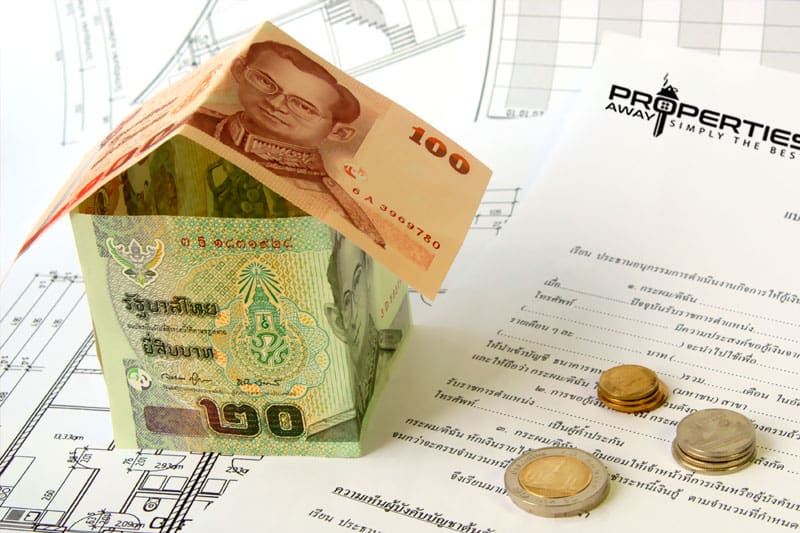 It is a peaceful and picturesque island that would tug on your heart strings and compel you to stay. If you choose to follow your heart and make your stay more permanent by acquiring a real estate property, you would need some tips to guide you.
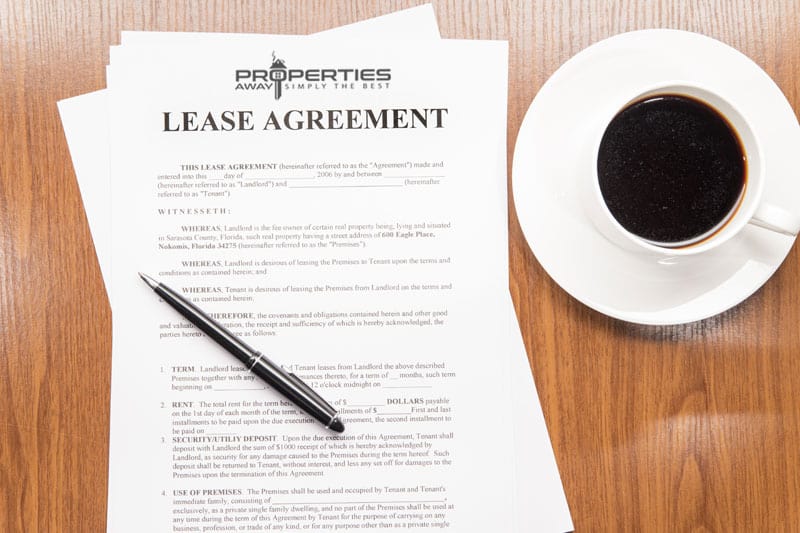 This is the most common and preferred way through which foreigners can own land and real estate property in Koh Samui and Thailand as a whole. With leasehold, you can acquire ownership and control of the property of your choice. This ownership is at a long- term lease of about thirty years. After the expiration of this lease, you can extend your ownership by renewing the lease for another thirty years. What this implies is that despite your foreign status, you can own a real estate property in Samui for a period of about sixty or ninety years. As a foreigner, you can own different types of real estate property under a leasehold agreement. One of the benefits of this agreement is that most leasehold properties are located in choice and amazing parts of Thailand and with a picturesque island like Koh Samui, you can be sure of getting the best.
 This method of property ownership is more complicated and expensive. Nevertheless, it is equally an effective way of owning real estate property in Samui as a non-citizen. To acquire property through freehold as a foreigner, you may need to form a company, creating a solid partnership with Thai citizens. The ownership of the land or property would rest in the hands of the company with you being the head of the company. One amazing benefit of freehold on the tropical island and in Thailand as a whole is that you get full property ownership and full rights are granted to you as the owner regardless of your foreigner status. You can equally rent or sell the property at your disposal. Similarly, you get to enjoy the property completely. However, most foreigners prefer leasehold to freehold as it is easier, cheaper and less complicated.
What do you think about it, better to buy or rent a property?
Tips for buying real estate property in Koh Samui
It is a peaceful and picturesque island that would tug on your heart strings and compel you to stay. If you choose to follow your heart and make your stay more permanent by acquiring a real estate property, you would need some tips to guide you.
Buy Real Estate Koh Samui - Research:
The first thing you need to do before buying any real estate property is to research. Ask some pertinent questions such as: Where is the property located? Would I love the area? How much does it cost? Are there convenience stores and healthcare facilities nearby? If possible, it is always best to pay a visit to the property in order to see things for yourself.Ensure that you are acquiring the property through legal means:
Thailand as a whole has laws governing the buying and acquisition of real estate property, especially for foreigners. As such, it is always best to ensure the legality of the property buying and ownership process in order to ensure that you are not going against the law.Do not know how to buy a property on Koh Samui?
Have you experienced the beauty and serenity of the Coconut island Koh Samui? Do you wish to buy real estate property there? Are you itching to own properties on this picturesque island? Have no fear. There are existing options in place for foreigners to own properties in Samui. These options may not be of the conventional style which you are used to in your home country but they are legal ways through which you can own real estate property in Thailand as a whole. These options include:Leasehold:
This is the most common and preferred way through which foreigners can own land and real estate property in Koh Samui and Thailand as a whole. With leasehold, you can acquire ownership and control of the property of your choice. This ownership is at a long- term lease of about thirty years. After the expiration of this lease, you can extend your ownership by renewing the lease for another thirty years. What this implies is that despite your foreign status, you can own a real estate property in Samui for a period of about sixty or ninety years. As a foreigner, you can own different types of real estate property under a leasehold agreement. One of the benefits of this agreement is that most leasehold properties are located in choice and amazing parts of Thailand and with a picturesque island like Koh Samui, you can be sure of getting the best.
Freehold:
This method of property ownership is more complicated and expensive. Nevertheless, it is equally an effective way of owning real estate property in Samui as a non-citizen. To acquire property through freehold as a foreigner, you may need to form a company, creating a solid partnership with Thai citizens. The ownership of the land or property would rest in the hands of the company with you being the head of the company. One amazing benefit of freehold on the tropical island and in Thailand as a whole is that you get full property ownership and full rights are granted to you as the owner regardless of your foreigner status. You can equally rent or sell the property at your disposal. Similarly, you get to enjoy the property completely. However, most foreigners prefer leasehold to freehold as it is easier, cheaper and less complicated.
Need more guiding? First time home buyer tips
Outright buying of a condominium property:
In Thailand as a whole, foreigners can own a condo under the law. They are allowed to purchase the condo in their own name and enjoy ownership of the property for an unlimited amount of time. However, the condo needs to be licensed and registered with the Thailand Land Department. In the same vein, foreign ownership of a condominium property is limited to a maximum of 49% of the aggregate floor space of all units in the property. The remaining 51% has to be owned by Thai citizens according to the laws governing Thailand.Freehold vs leasehold in Koh Samui and Thailand in general
If you are looking to own a real estate property as a foreigner, it is important to know the difference between these two ownership concepts. If you are looking to acquire property under freehold, you would need to form a company and a partnership with Thai citizens. This would enable you to enjoy the ownership rights and benefits of the real estate property. On the other hand, leasehold involves getting a lease on the property for thirty years or more (if you decide to renew the lease). Thus, the major differences existing between freehold and leasehold lies in the fact that the former requires the forming of a company in order to enjoy ownership rights while the latter does not. In the same vein, freehold grants more ownership rights and is more permanent than leasehold. Samui is one island that would tempt you into making it your new home. Fortunately, there are legal ways and options through which you can make this beautiful island a permanent place and safe haven for you to live in. Nevertheless, if you have dreams of buying and owning real estate property as a foreigner, there is still a huge ray of hope for you.Any Questions about foreign ownership?
More from the Buying & Business

7 steps: business hotel license Thailand
Thai business hotel license Thailand in 7 steps. A hotel businesses without or with a dubious hotel license, it is advisable to act as soon as possible.

Smart Property Management - Cloudbeds
Smart Property Management with ease. Cloudbeds award-winning all-in-one Management Suite will save you time and makes you money.

Investment Visa Thailand - Condominium
The Thailand condominium investment visa which the Thai government introduced to encourage more property investment in the country.